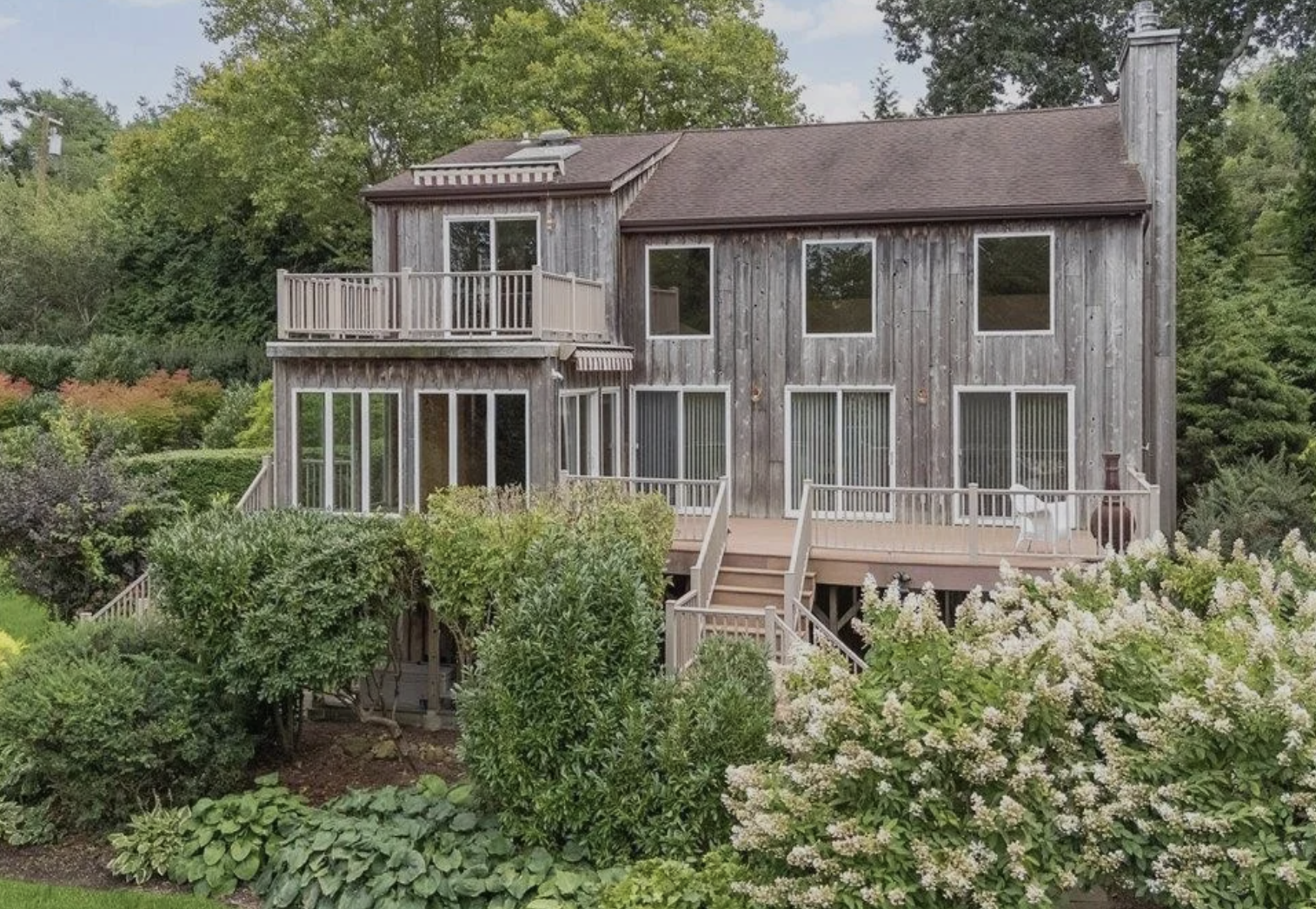
Sag Harbor, NY is the only genuinely walkable year-round town among the Hamptons hamlets and the only one that straddles both East Hampton Township and Southampton Township. Entry pricing starts around $1M for modest in-village inventory; mid-market Sag Harbor Village runs $2.5M to $8M; waterfront reaches $10M to $20M+. The village attracts writers, artists, and year-round buyers rather than pure summer-colony families. Specific parcels face either East Hampton or Southampton rules depending on exact location, so verifying township jurisdiction is a required pre-offer step. For buyers who want genuine town character over summer identity, Sag Harbor is often the strongest Hamptons choice.
Why Sag Harbor Is Structurally Different From Every Other Hamptons Town
The Hamptons is nine hamlets across two townships, each delivering a distinct version of East End prestige. Sag Harbor sits apart from all of them. It is not a summer colony that happens to have a village. It is a working year-round town that happens to be in the Hamptons.
The difference is historical. Sag Harbor was a major American whaling port in the 18th and 19th centuries, predating the summer-colony identity that defined most of the East End by nearly a century. That working-town inheritance never fully disappeared. The harbor still functions. Main Street still operates as a genuine commercial corridor rather than a seasonal tourist strip. The year-round population continues to anchor cultural institutions, restaurants, and civic infrastructure that stay active through the off-season.
For buyers, this produces a materially different product than any other Hamptons hamlet. Buyers acquiring in Sag Harbor join a community that genuinely exists in February, not just August. The buyer culture is more literary and artistic than finance-oriented, more residential than seasonal, and more oriented to long-term community engagement than to summer social visibility.
The split-township status reinforces the distinct identity. Sag Harbor Village straddles the East Hampton and Southampton town line. A buyer evaluating two properties a block apart may be comparing parcels under materially different municipal rules, STR frameworks, and zoning codes. This structural quirk is both an operational complication for buyers and a signal that Sag Harbor was never fully absorbed into either township's standard summer-town framework.
The Structural Side-by-Side
| Factor | Sag Harbor, NY | Other Hamptons Hamlets |
|---|---|---|
| Township | Both (parcel-specific) | Single township per hamlet |
| Year-round character | Genuine walkable town | Primarily summer-colony |
| Main Street commercial activity | Year-round active | Mostly seasonal |
| Cultural infrastructure | Bay Street Theater, Sag Harbor Cinema, John Jermain Library | Varies; mostly summer-oriented |
| Buyer culture | Literary, artistic, year-round-oriented | Summer-colony, finance-oriented |
| Entry pricing | ~$1M | $2.5M+ (varies by hamlet) |
| Mid-market range | $2.5M-$8M | $4M-$12M (varies) |
| Top of market | $20M+ waterfront; $25M+ landmark | $30M-$100M+ in Sagaponack/Southampton |
| Walkability | Strong | Variable; mostly limited |
| Working harbor | Yes | Only Montauk |
| Historic district designation | National Register Historic District | Varies by hamlet |
Sources: Sag Harbor Village; Town of East Hampton; Town of Southampton; Realtor.com and MLS inventory data for 2026. Comparisons are illustrative; specific hamlets vary materially.
The Split-Township Reality
No other Hamptons town has this. Sag Harbor Village sits across the dividing line between East Hampton Township and Southampton Township. The boundary runs through the village itself, meaning some Sag Harbor properties are subject to East Hampton Town rules while others are subject to Southampton Town rules. The village has its own local government for village-level matters (historic preservation, specific zoning), but township-level matters (STR permitting, broader zoning, some tax calculations) follow whichever township the parcel sits in.
The practical consequences for buyers are meaningful:
- STR rules differ: East Hampton Township has a two-week minimum stay for most residential rentals; Southampton Township has a more flexible baseline. A Sag Harbor parcel on the East Hampton side faces one framework; a parcel across the street on the Southampton side faces another.
- Property tax calculations differ: Each township sets its own tax rate structure.
- Zoning rules differ: Each township operates its own zoning code with different setback, lot size, and use requirements.
- Permit processes differ: Building permits, demolition permits, and expansion permits route through the applicable township's building department.
Buyers must verify township jurisdiction on any specific parcel before making an offer. The village boundary is public information available through Sag Harbor Village or the Suffolk County GIS system. Experienced local buyer's agents and attorneys know the boundary intimately. Buyers who assume the two sides are interchangeable face unpleasant surprises after closing.
Sag Harbor Pricing in Context
| Tier | Price Range | Typical Inventory |
|---|---|---|
| Entry | $1M-$2M | Modest in-village cottages, condos, smaller lots |
| Mid-market Village | $2.5M-$5M | Historic district homes, walkable to Main Street |
| Mid-market Village (larger) | $5M-$8M | Larger historic homes, meaningful lot sizes |
| Waterfront entry | $6M-$10M | Harbor-adjacent, bay-view positions |
| Waterfront premium | $10M-$20M | Direct waterfront, Sag Harbor Cove and Noyac Bay |
| Trophy | $20M-$25M+ | Landmark waterfront, historic whaling-era estates |
Typical 2026 price bands based on recent Sag Harbor MLS inventory. Actual pricing depends on parcel characteristics, waterfront access, architectural significance, and current market conditions.
What Sag Harbor Actually Offers That Other Hamlets Cannot
A Walkable Village That Actually Functions Year-Round
Main Street has restaurants that stay open through winter. The American Hotel operates year-round. The Sag Harbor Cinema shows films all year. The Bay Street Theater runs a genuine theatrical season. Sag Harbor Variety Store on Main Street has operated continuously since 1927. The walkable commercial corridor is a real functioning year-round town center, not a seasonal strip.
A Literary and Arts Culture With Depth
Sag Harbor has attracted writers and artists for generations: John Steinbeck lived here, as did E.L. Doctorow, Spalding Gray, and many others. The literary identity is not a marketing overlay. It is a continuous community tradition. Current working writers, artists, and cultural figures treat Sag Harbor as home base in a way they do not treat Southampton Village or East Hampton Village. For buyers who value this culture, it is not available anywhere else on the East End at the same intensity.
Historic Architecture at a Residential Scale
Sag Harbor's National Register Historic District holds some of the oldest residential architecture on the East End. The whaling-era homes along Union Street, Hampton Street, and Howard Street predate most Hamptons summer-colony architecture by half a century or more. The Sag Harbor Historic District designation imposes meaningful preservation requirements but produces an architectural inventory that genuinely cannot be replicated elsewhere in the Hamptons.
A Working Harbor
Sag Harbor Cove hosts a working harbor with fishing boats, sailing infrastructure, and genuine commercial maritime activity alongside the pleasure craft. The harbor is not a decorative yacht basin. It is a functioning Northeast coastal maritime community that happens to also serve recreational use.
Who Belongs in Sag Harbor
Sag Harbor is typically the strongest Hamptons choice for buyers who:
- Specifically value walkable village character over estate-corridor privacy
- Have a genuine use pattern that includes year-round or meaningful shoulder-season residence
- Are writers, artists, cultural figures, or buyers who want to live within that community
- Prefer the literary-artistic buyer culture over the finance-oriented summer culture of Southampton Village
- Value historic residential architecture with real preservation character
- Want Hamptons positioning at meaningfully more accessible entry pricing than Southampton Village or East Hampton Village
Sag Harbor is typically not the right fit for buyers who:
- Want pure estate-corridor privacy with large setbacks and minimal public visibility
- Prioritize direct oceanfront over bay-front and harbor-front positions
- Want the formal old-money social infrastructure of Southampton or the celebrity-adjacent prestige of East Hampton Village
- Expect summer-colony intensity rather than year-round town character
- Prefer uniform regulatory frameworks and are not comfortable with the split-township complication
The honest read on Sag Harbor acquisition: Sag Harbor is not for every Hamptons buyer. The buyers who thrive in Sag Harbor specifically want what Sag Harbor offers: walkable town character, literary and arts culture, historic architecture, year-round community infrastructure. Buyers who choose Sag Harbor as a cheaper alternative to Southampton or East Hampton Village without valuing these specific features often feel out of place. The right approach is to spend meaningful time on Main Street in the off-season, meet year-round residents, and honestly assess whether Sag Harbor's distinct culture matches your family's actual values.
What Buyers Must Verify Before Making an Offer
- Confirm township jurisdiction: East Hampton or Southampton. This determines STR rules, zoning, and some tax considerations. Verify with Sag Harbor Village, the applicable township building department, or the Suffolk County GIS system before offering.
- Confirm Historic District designation: Most Sag Harbor Village residential inventory sits within the National Register Historic District, which imposes preservation requirements on exterior work.
- Verify STR permit status: If the acquisition case includes rental income, verify current permit status and understand the applicable township's framework.
- Review Historic Preservation Commission file history: Prior applications, approvals, denials, and any active conditions transfer with the property.
- Confirm flood zone and coastal exposure: Waterfront and harbor-adjacent positions face material coastal considerations.
- Model mansion tax: New York's mansion tax runs 1.00% to 3.90% depending on price and is a buyer-paid cost at closing.
- Verify property tax rate for the applicable township: Rates vary.
- Understand year-round carrying costs: Sag Harbor properties with genuine year-round use incur heating, maintenance, and insurance costs that purely seasonal Hamptons properties can defer.
Sag Harbor vs. Other Hamptons Hamlets at a Glance
| Hamlet | Character | Best Fit vs. Sag Harbor |
|---|---|---|
| Sag Harbor | Walkable, year-round, literary-artistic | Baseline |
| East Hampton Village | Walkable, prestige, creative-industry | More formal, higher pricing |
| Southampton Village | Walkable, old-money, formal | More formal, higher pricing, more finance-oriented |
| Bridgehampton | Larger lots, less walkable | Suited to privacy over walkability |
| Water Mill | Residential, STR-friendly | Suited to STR investors, not year-round |
| Amagansett | Quieter East Hampton adjacent | Suited to summer use over year-round |
| Montauk | Surf, fishing, casual | Different cultural identity entirely |
| Sagaponack | Ultra-low density, agricultural | Opposite of walkable town |
Frequently Asked Questions
What makes Sag Harbor different from other Hamptons towns?
Sag Harbor, NY is the only genuinely walkable year-round town among the Hamptons hamlets and the only one that straddles both East Hampton and Southampton townships. It has a working harbor, strong literary and arts culture, year-round commercial infrastructure, and a buyer culture materially different from Southampton or East Hampton Village traditions. It attracts writers, artists, and buyers who value genuine town character over summer-colony identity.
How much does a Sag Harbor home cost in 2026?
Entry inventory starts around $1M for modest in-village cottages. Mid-market Sag Harbor Village runs $2.5M to $8M. Waterfront positions along Sag Harbor Cove and Noyac Bay reach $10M to $20M+. The top of the active market has transacted above $25M on landmark waterfront. Sag Harbor is meaningfully more accessible at entry than Southampton Village or East Hampton Village but reaches comparable prestige pricing at the trophy tier.
Is Sag Harbor in East Hampton or Southampton?
Both. Sag Harbor Village straddles the boundary between East Hampton Township and Southampton Township. Specific parcels sit in one township or the other based on exact location. This affects STR rules, zoning, and some tax considerations. Buyers evaluating a specific property must verify which township the parcel sits in before assuming any regulatory framework applies. A property on one side of a Sag Harbor street may face materially different rules than one on the other side.
Can you live in Sag Harbor year-round?
Yes. Sag Harbor, NY is the Hamptons town most suited to genuine year-round residence. Main Street restaurants, shops, and cultural institutions operate year-round in a way other Hamptons hamlets cannot match. The Bay Street Theater, Sag Harbor Cinema, and John Jermain Memorial Library anchor cultural infrastructure that stays active in the off-season. The working harbor and meaningful year-round population make Sag Harbor the most practical Hamptons choice for buyers whose use pattern includes winter and shoulder-season residence.
Is Sag Harbor a good investment compared to other Hamptons hamlets?
Sag Harbor has delivered strong appreciation over the past two decades, driven by increasing buyer demand for walkable town character and year-round community infrastructure. Entry-tier appreciation has been particularly strong. At the trophy tier, Sag Harbor waterfront has appreciated in line with or slightly below Southampton Village and East Hampton Village oceanfront. The investment case rewards buyers who understand its distinct market dynamics rather than treating it as interchangeable with other Hamptons hamlets.
Evaluating a specific Sag Harbor acquisition and want an independent read on which township jurisdiction applies, how the regulatory framework affects your use case, and whether the Sag Harbor cultural identity actually fits your family? I work with vetted Hamptons buyer's agents and can connect you with representation that understands Sag Harbor's split-township reality before you commit capital.
Submit a Private InquiryOr reach Peter directly: